
Nightclubs may employ bartenders who possess a formal education, have alcohol policies written down, and an experienced manager at every shift. The security measures may appear at times as reassuring if they are included in an employee’s manual.
Imagine a jam-packed Saturday night when several bartenders are serving the same patrons and a floor manager is dealing with a disturbance, and customers are ordering rounds from different locations. Who is accountable for recognizing when someone should no longer drink alcohol?
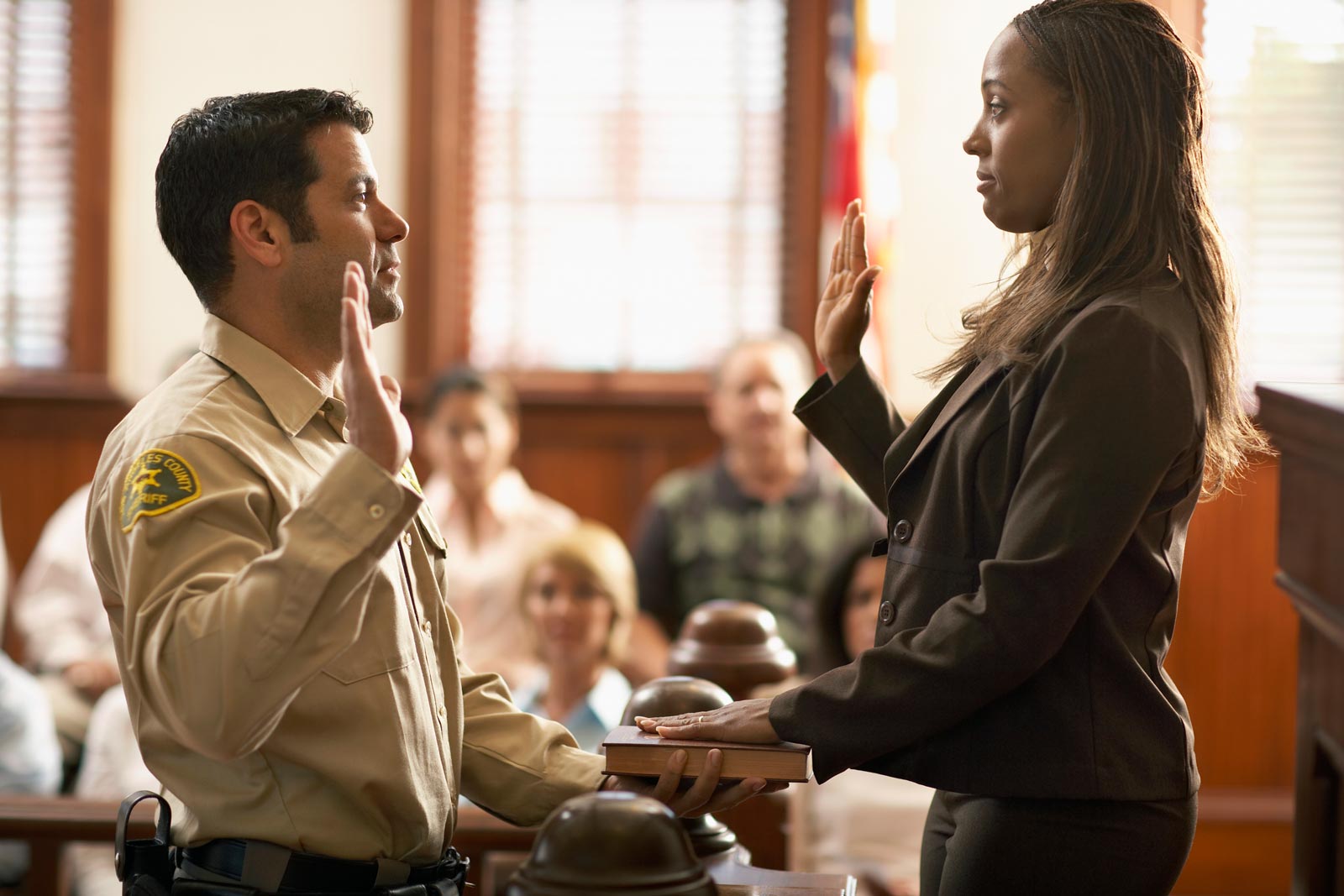
This question is more telling in dram shops litigation than merely determining the number of drinks being sold.
Overservice Investigations Begin By What Staff could be seeing
Dram Shop expert witnesses will analyze whether the alcohol service choices made by employees were in line with industry standards and other circumstances.
A customer’s intoxication cannot prove on its own that the bartender was aware of warning signs while serving. The investigation needs to consider what the customer’s behaviour was and the timing of service, the observations of staff as well as evidence.
Surveillance footage could reveal difficulties walking, strange movements, or interactions with employees. The testimony of witnesses can add context to the situation, even if recollections are different. What’s most important to differentiate between is the information investigators learnt after an incident, and what staff should have been aware of at the moment of the incident.
One Tab Doesn’t Equal One Drink
The records at the point of sale are useful, but they require a background in hospitality to interpret. A single customer could purchase multiple rounds of drinks for their buddies. A bottle-service purchase could include multiple customers. Separate bartenders may handle orders without knowing what the previous employee did.
An Alcohol expert witness can examine transaction times, beverage quantities, surveillance recordings, and staffing records to develop a more complete service timeline.
The analysis will reveal instances where employees may have acted or detected intoxication. It can also be used to identify situations where the evidence isn’t sufficient to determine who consumed certain beverages.
Training is only relevant when it Gets to the Floor
Although employee certifications are essential but they do not always reflect how an establishment operated during a specific shift.
Examining whether the training is current, if employees understand intervention procedures and if managers reinforce the guidelines can be a part of the investigation.
Preston Rideout is a seasoned hospitality professional with more than three decades of experience. This includes management, bartending and consultation on beverage-related programs.
He also has 112 seller-server certifications that cover 48 states as well as the District of Columbia, according to his professional qualifications.
This combination allows him both to analyze the instruction employees received and the operational decisions they had to make. Bartenders, for example, may recognize the issue, but don’t know how to reach management or document a denial of service. It is crucial to evaluate the supervisor’s capability to manage.
Insurance Investigations May ask Similar Questions
Expert witnesses in Liquor Liability often answer the same operational issues for insurance companies as well as defense counsel and coverage lawyers. Even though the terms used might differ, the examination is still centered on alcohol service, employee conduct monitoring, management oversight, and training.
The detailed review could comprise incidents reports, as well as written policies, video recording employee schedules, records of certification. The expert’s responsibility to defend an individual who would like them. It’s about describing what evidence is in support and identify the relevant practices in the industry and identify the significant limitations.
Experience can help explain the decision-making behind the records
Rideout has appeared in court on alcohol-related and hospitality-related matters in 11 states, and has worked as both defense and plaintiff counsel.
His study focuses on bars restaurants, nightclubs, hotels resorts, casinos, and other venues where alcohol-related services are a component of daily operations. Each environment presents different management structures and supervisory problems.
A bartender who works in a restaurant’s small dining room might be able to better watch customers than a worker at a counter serving drinks in a nightclub. Knowing the differences can help place the evidence within its proper context.
A Credible Opinion isn’t able to fill Gaps With Assumptions
Dram shop laws differ by jurisdiction. Expert evidence from experts in operational matters should not be mistaken for a legal decision. The most accurate analysis explains the actions of employees, what recognized service practices required, and which conclusions the evidence confirms.
Sometimes the records reveal a departure from established procedures. Others records indicate employees didn’t adhere to the proper procedures or left important questions unanswered.
For attorneys evaluating alcohol-related claims this distinction is critical. Expert opinions are more than a narrative of the event. It helps the court know what was going on inside the establishment prior to the evening was over.