
A friend recommends an investment opportunity that has doubled in price. You open an account with an exchange and then watch a few video and then suddenly you’re ready to make a bet. The problem is that you don’t know the technology. You might be able to understand price movements without knowing what you’re buying and how the technology operates or what could occur if something goes wrong.
Education in cryptocurrency should fill that gap prior to when real money becomes involved. The Coin Course offers educational resources covering blockchain fundamentals, cryptocurrency wallets, decentralized finance, NFTs, security, and trading concepts. These subjects should be learned in practical order for beginners.
Start With the Transaction Start with the Transaction, not the Price Chart
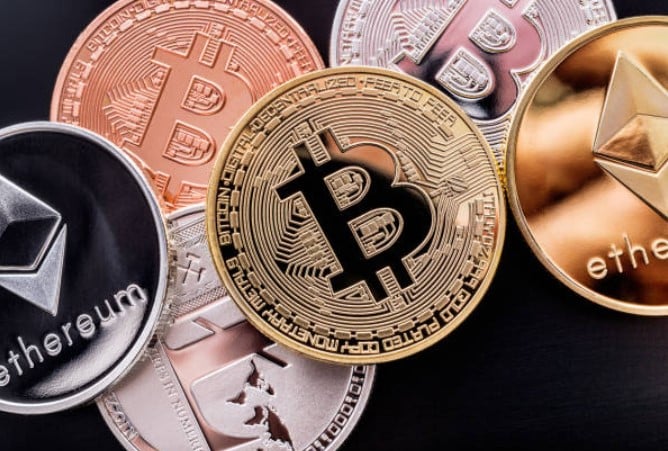
A thorough tutorial on cryptography ought to clarify the purpose of cryptocurrency. Bitcoin is one example. It allows money to be transferred through the network without having a bank to keep an eye on transactions. Ethereum supports digital currencies and applications that use programmable contracts.
The technology isn’t easy to comprehend by simply watching its price on the market. Start by understanding how wallet addresses work and the reasons why network verification is essential to make transactions and what distinguishes cryptocurrency from money in a bank. These basics can help you comprehend the possibilities and drawbacks of digital assets.
You can follow a single transaction through the blockchain
It is simpler to comprehend technical concepts when they are linked to an activity you already know about. Imagine sending cryptocurrency to a friend from your wallet. The wallet makes the transaction, which is authorized using your private key. The transaction is submitted to the network to verify against its rules and later added to the blockchain.
A practical blockchain tutorial can show this process with a block explorer, where users can check the details of transactions as well as confirmation status.
This activity teaches a vital security point. Blockchain transactions cannot typically be cancelled because the sender has entered an incorrect address. Understanding the mechanics of transactions makes wallet use considerably less intimidating.
Learn how to safeguard your assets before looking into DeFi
The basic security of your wallet is often not considered by beginners who are more focused on investing in lucrative opportunities. Your private keys are the only way to access your cryptocurrency. A recovery phrase can allow anyone to restore an acceptable wallet and access its assets.
Use this expression with someone else and it could put your assets in danger. The best blockchain guides will explain the differences between custodial accounts and software wallets as well as hardware wallets.
Also, they should be aware of the possibility of phishing attacks, a suspicious wallet connection, and dangers associated with giving smart contracts’ permissions without understanding they exist. These lessons become especially important when exploring decentralized finance, in which users interact directly with applications rather than using traditional intermediaries.
How do you trade crypto and Not Distinguishing Activity from Progress
Anyone who is curious about learning more about trading in cryptos begin with candlestick patterns or indicators. These tools aren’t without merit however they should not replace the need to understand risk. Consider your risk tolerance before you take a decision to trade.
A limit order lets you choose a particular price and allows immediate execution. Leverage is a riskier option because even small price movements could cause significant losses.
Beginners can practice analyzing the market and record possible trades prior to committing actual funds. A journal of trading can identify whether or otherwise decisions are based on a consistent method, or simply an expression of fear or exuberance.
Explore Topics of Advanced Study With More Questions
When the fundamentals are mastered Once the fundamentals are established, it becomes simpler to evaluate subjects like DeFi NFTs, smart contracts. Inquiring about the amount DeFi platforms can charge is not the right approach. Instead, you should inquire where the revenue comes from and what kind of price users are willing to take on.
When researching NFTs differentiate between the ownership of a token and ownership of the work or intellectual rights behind.
Learn that rewards for taking part may be a monetary reward to participants who are able to secure an organization, or might be part of a different financial arrangement. The Coin Course brings these topics into a larger cryptocurrency learning experience that helps users build expertise in various aspects of the business.
Make sure you have knowledge that is more reliable than market trends
The prices of cryptocurrency change frequently However, the fundamental knowledge is valuable. Understanding blockchain transactions as well as trade mechanics, security of wallets and decentralized applications can help you analyze new products without having to rely on advertising claims.
Don’t rush into learning all you can about. Once you’ve grasped the basics, you can proceed to more advanced subjects. The goal isn’t becoming an expert in a matter of hours. The aim is to acquire enough understanding to be able to identify risks and opportunities, ask questions that are more intelligent and make educated decisions as the cryptocurrency sector develops.