
Picture your everyday lunchtime sandwich. Bread, a filling you enjoy and some mayonnaise are often all it takes. Now imagine making that same sandwich while cutting back on your carbohydrate intake.
You may not need to change the sandwich filling at all; choosing different bread could make a meaningful difference. The carbohydrate content of two slices is a useful starting point for anyone exploring keto-friendly meals.
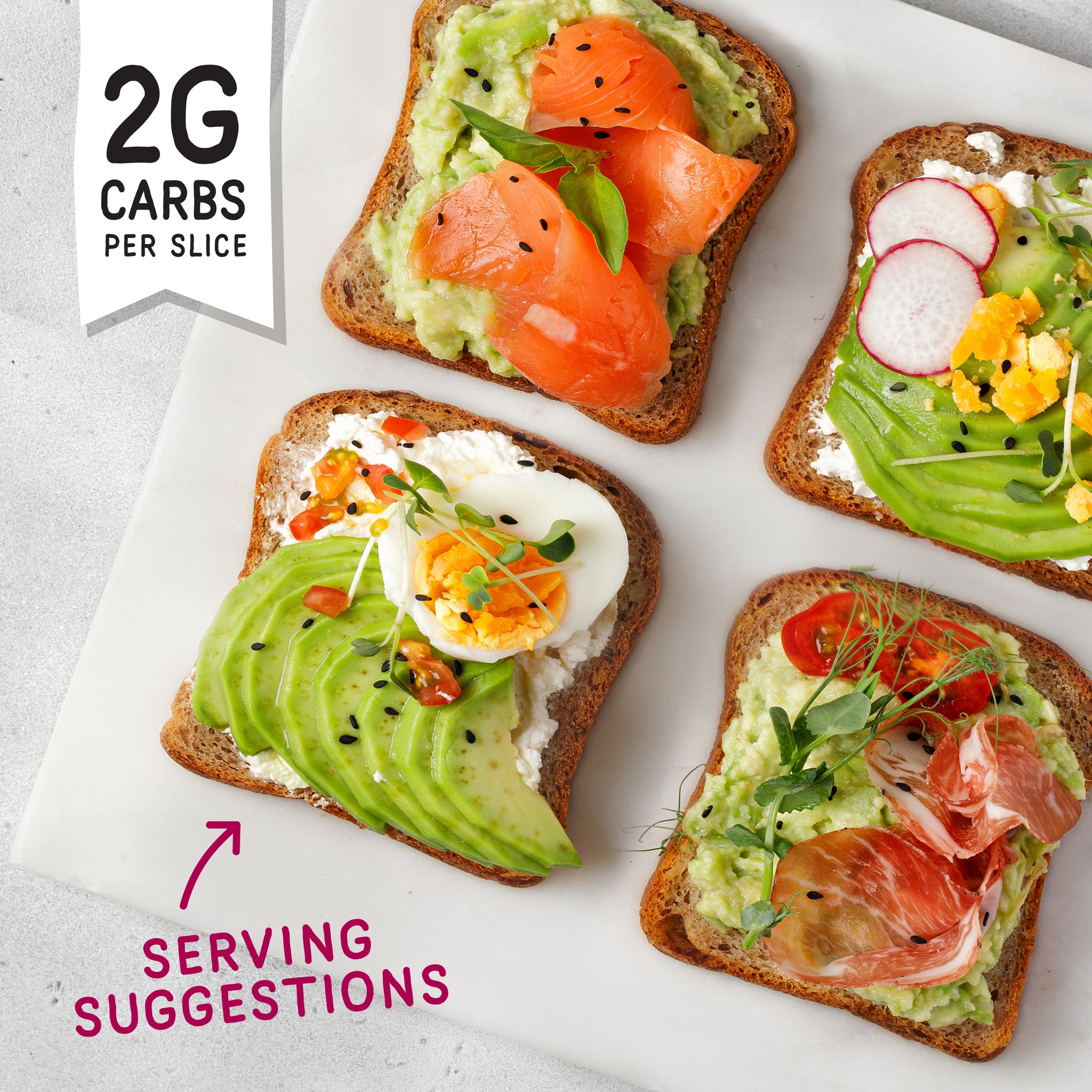
Image credit: fitbakes.co.uk
Why Look at Carbs in a Whole Sandwich?
Searching for the lowest bread carbs can lead to confusing product comparisons. Carbohydrate figures may be listed for each slice, as determined by the loaf. A more practical approach is to consider the amount you normally eat. For a filled sandwich made with two slices, add up the carbohydrates in both pieces of bread before considering the wrap filling.
This makes it easier to evaluate products based on your everyday portions rather than an advertised number. According to its marketing, Fitbakes Seeded Low Carb Loaf provides 0.8g net carbohydrates in each slice, or about 1.6g net carbohydrates in a two-slice serving. The product page additionally mentions 2g carbohydrates; review the latest nutritional label before relying on a particular amount.
Understanding the Difference With Keto Bread
When discussing bread and keto, people often ask whether bread must be avoided completely. Traditional wheat bread contains starch, which contributes significantly to its carbohydrate content. Keto-friendly alternatives use alternative ingredient combinations to provide a bread-like experience with fewer carbohydrates.
However, the term keto-friendly does not automatically mean a food product contains zero carbs. Daily portions, spreads, fillings, and other meals still contribute to the total you consume. Using reduced-carbohydrate bread for a filled sandwich can leave more flexibility for the other ingredients.
What Seeds and Protein Add to the Loaf
There is more to choosing a loaf than counting carbohydrates. Fitbakes describes its seeded bread as containing 7g protein per slice and 17% seeds, including golden linseeds and sunflower seeds. The manufacturer also reports 63 calories per slice. The seeds add flavour and bite; protein also plays an important role in normal body maintenance.
A comparison of bread with low carbohydrates should also include ingredients and any declared allergens. Whether a loaf is right for you depends on your individual circumstances, not only its carb figure.
Making Toast With Low-Carbohydrate Bread
People sometimes wonder whether lower-carb alternatives can taste good. The texture of certain lower-carb loaves can be different to conventional supermarket bread. The manufacturer suggests putting its Seeded Low Carb Loaf in the toaster for a golden, nutty finish. At breakfast, pair it with a serving of scrambled eggs; at lunch, make an open sandwich with avocado, tomatoes and seasoning.
You could serve bread with low carbs alongside soup or use it as the base for a quick lunch. Keeping easy meal ideas in your routine may help you adjust your diet without changing everything at once.
Check the Bread Label Before You Buy
The front of the pack does not tell the whole story about carbs in low carb bread; the full information is useful. Check the serving size, carbohydrate information, protein, fibre, and ingredients. UK nutritional labels generally report carbohydrates separately from fibre, whereas some international products use other reporting conventions.
If a manufacturer advertises net carbohydrates, check how that figure fits alongside the full nutritional information. Products with varying slice sizes are easier to evaluate when you consider the full label.
A More Practical Way to Reduce Carbs
Lower-carbohydrate eating does not have to involve giving up the meals you enjoy. A suitable bread swap may help you keep making your regular breakfasts and lunches while reducing your carbohydrate intake.
One example is Fitbakes Seeded Low Carb Loaf, which pairs a seeded recipe with reported low carbohydrate and high protein content. The most suitable loaf is one that fits your nutritional preferences, tastes good to you and suits your regular meals.