
For a long period, the concept of edge computing was considered something complex and expensive, often reserved for large businesses with specialized hardware. In the present, this perception is shifting. Businesses across the UK have discovered that flexible systems that are low-cost will yield powerful results with no overly complex.
The main reason for this transformation is the rising of platforms that combine ease of use with scalability. The edge computing platform UK companies can now count on is quite different from the traditional configuration. Businesses are shifting their processing away centralized data centres to closer to the source of data.
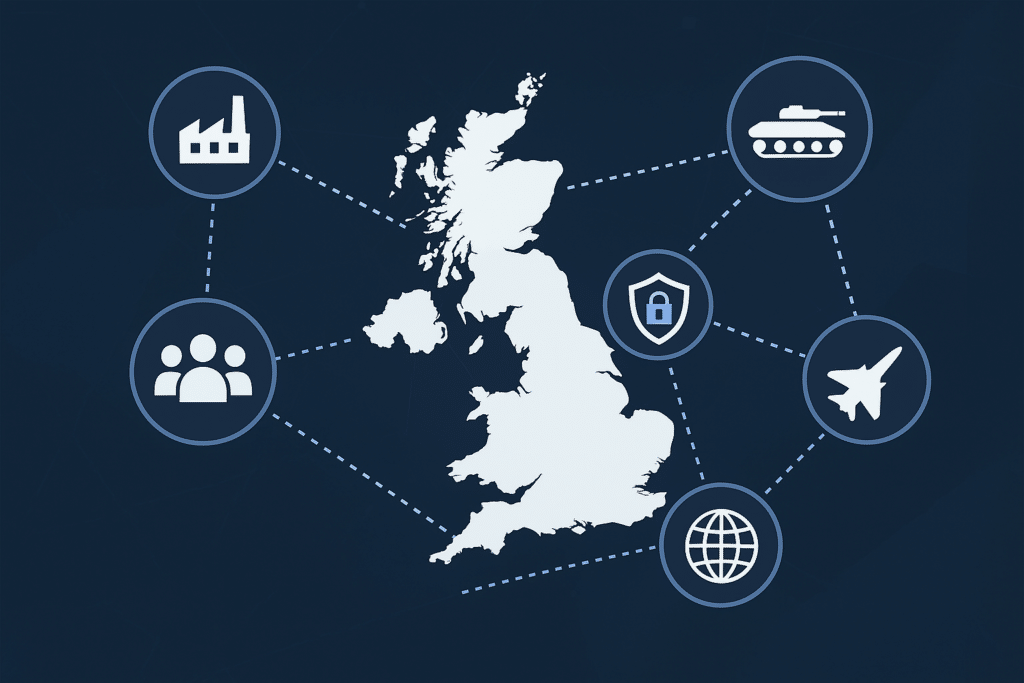
This improves speed of decision-making as well as reduces latency, allowing for instantaneous decisions.
From Small Devices to Enterprise Systems
The Raspberry Pi has come a quite a long way from its original reputation as a device for learning. What was once thought of as a hobbyist device is now utilized to power real-world infrastructure in sectors like manufacturing logistics, logistics, as well as smart environments.
With platforms such as ScalerPi, businesses can transform one device into a part of a larger, integrated system. The Raspberry Pi cluster production use model lets multiple units be integrated, creating an integrated system capable of managing complex tasks.
This allows you to increase the size of a prototype to thousands of connected devices working together.
Kubernetes at the Edge
Modern infrastructure is often dependent on containerized applications as well as orchestration tools. Kubernetes has become a standard for managing these environments however running at the edge of the network poses new challenges.
An on-premise kubernetes solution provides a way to maintain control while still benefiting from the flexibility of container orchestration. Companies can manage and deploy their own systems instead entirely relying on cloud-based providers.
It permits a balance to be struck between performance and control. Then, organizations can tailor their infrastructure to meet specific operational needs. ScalerPi helps bridge the gap by merging modern software practices with hardware knowledge, making the most advanced deployments much easier.
The Reasons Data Sovereignty Is Gaining In Importance
Companies are increasingly aware of the places their data is being stored and processed, as data regulations become more complicated. In many instances, relying on external cloud service providers raises concerns regarding the compliance and security of data.
A cloud that is sovereign UK companies can use allows you to protect data from national borders while ensuring high performance. It ensures that sensitive information is safe and compliant to local regulations.
Companies can gain flexibility and accountability through the integration of edge computing into the infrastructure of sovereign institutions. The data is processed closer to the source while it is managed in a controlled environment.
Simplifying Complex Deployments
One of the biggest challenges for edge computing is the management of large amounts of devices. As deployments expand, ensuring stability, security and performance gets more difficult.
ScalerPi addresses this by offering a full-stack model that encompasses equipment supply, device management, and consultancy. The integrated model makes it easier to manage the process and allows teams to focus on their application, rather than infrastructure.
An edge computing solution that UK business can trust shouldn’t require constant manual input. The solution should automate tasks as well as monitor performance, and provide security for all devices.
Building Systems that Scale with confidence
To expand from a single prototyping and testing environment to a full production environment, careful planning is required. Each stage brings new challenges – from the selection of hardware to software integration, and on-going maintenance.
A Raspberry Pi cluster production use strategy helps smooth this transition by providing a consistent framework for growing. The system can be expanded at the pace of your business by integrating or adjusting devices without disrupting it.
This flexibility can be useful for companies that want to explore new technologies or expand into new markets.
Future driven by flexibility and Control
The future of infrastructure is moving toward systems that are open capable of adjusting and enhancing efficiency. Companies do not want to be locked into rigid systems that restrict their capacity to invent.
Businesses can take greater control over their operations as well as data by using tools such as Kubernetes on premises and an UK sovereign cloud service. Along with the scalability that is offered by Raspberry Pi clusters, these technologies provide a solid foundation for a long-term, sustainable success.
Edge Innovation: Moving Forward by using Edge Innovation
Edge computing has emerged as a viable solution to many of today’s challenges. Businesses can build systems that are robust and efficient by combining low-cost hardware, advanced software, and other techniques.
ScalerPi continues to help businesses bridge the gap between physical devices and cloud technologies. Edge computing has become more accessible to organizations of all size thanks to its thoughtful design and reliable implementation.
As more companies begin to explore the potential of distributed systems the ability to scale securely and efficiently will determine the success of their business in the coming years.