
A cryptocurrency wallet shows a USDT balance of 1,000. The screen shows the figure appears simple: approximately one thousand dollars in digital form. The balance on the account brings up a fascinating issue. What are the factors that make the tokens worth around $1?
A stablecoin account differs from a typical bank balance. It is a digital token that are issued by an independent financial agreement. To fully comprehend the structure of a stablecoin it is necessary to examine the market for cryptocurrency and consider issues such as issuer, reserve technology, blockchain technology and the redemption process.
The Blockchain only shows tokens not the whole financial picture
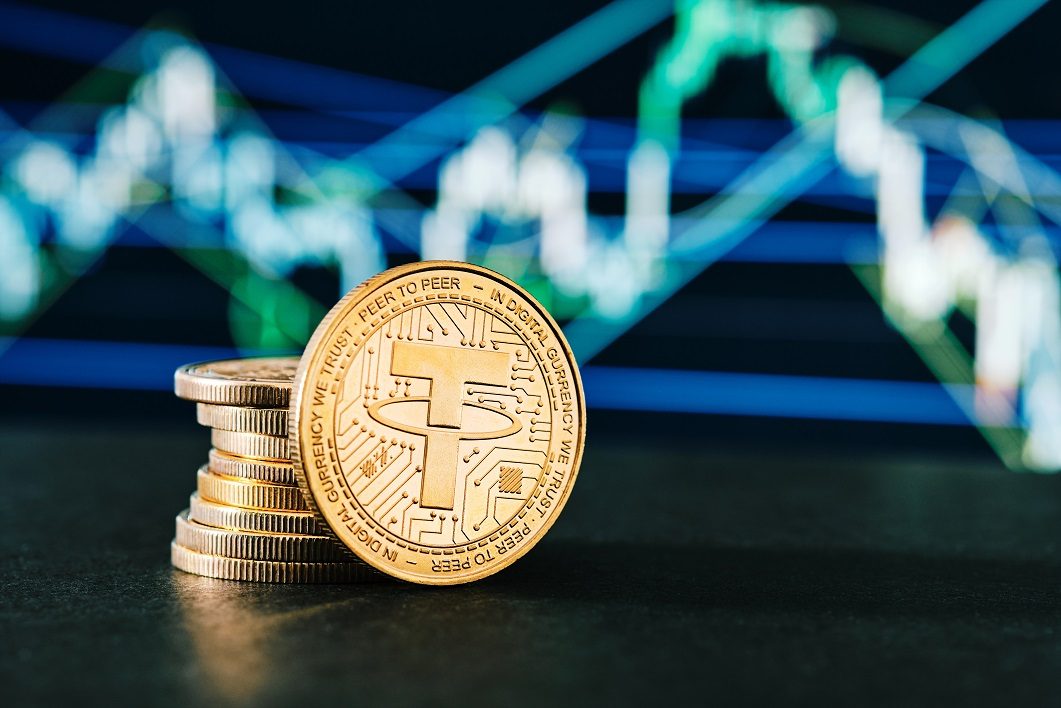
The stablecoin Tether, often known as USDT is designed to have its value within the U.S. dollar. Tether issues tokens that are secured by reserves. The blockchain is not competent to identify the precise reserve’s composition or financial status.
A public ledger may reflect balances and token transfer as well as specific contracts’ activities. It can’t be used to verify the properties of traditional financial instruments like bank accounts.
This distinction is essential when checking the transparency of stabilitycoins. An effective reserve assessment takes into account the issuer’s public disclosures, the types of assets that they hold, their liquidity and any independent verification.
Ethereum lets token activity be seen
USDT runs on Ethereum via an ERC-20 smart contract. The contract keeps track of token balances and records transactions according to its programmed rules. Because of Ethereum being a public blockchain, users are able to see the history of transactions and the contract’s activities using block explorers that are compatible with Ethereum.
It is possible to view how tokens are transferred across addresses due to this transparency. The ability to watch the movement of a transaction does not reveal who the wallet owner is, or what the reason of the transaction.
Ethereum also supports decentralized financial applications that use stablecoins for trading, lending, and other activities. These applications pose additional risks, like security vulnerabilities in smart contracts as well as potential liquidity issues.
What is the reason? Stablecoins are able to trade above or below one dollar
USDT maintains the dollar peg however its exchange rate is calculated in accordance with the market’s activity. During normal trading hours, USDT is able to be traded at rates that are a bit higher or lower than a dollar.
These variances can be affected by the market demand, the liquidity available exchange rates, as well as confidence in the redemption arrangements.
Exchange tokens that are used to exchange the currency of the base by eligible customers who have access to redemption facilities may be able to support pegs, subject any applicable fees and requirements.
However, not every retail holder has direct access to redemption. Many people buy and sell USDT through cryptocurrency exchanges, where the prices reflect market liquidity. It is a sign that a stablecoin’s intended value is related to its actual prices for trading however they’re not the same.
The Issuer Has Still Important The Powers
There is a common misconception that all assets operating on a blockchain that is decentralized must in turn be decentralized. Ethereum is administered through a distributed network however USDT is issued by a central organisation.
The issuer is able to exercise administrative power and control over the token contract.
Tether for instance can freeze specific addresses when the circumstances are favorable. These features separate the stablecoins issued by a central authority (and cryptocurrencies with no comparable issuer) from cryptocurrency. The understanding of this structure allows users to recognize that blockchain decentralization doesn’t automatically remove the risk that issuers pose.
Independent research can help distinguish facts from claims
A trustworthy crypto wiki can distinguish between blockchain activity that is publicly verified as well as financial disclosures made by issuers, and conclusions backed by independent evidence.
Historical developments also matter. Tether has been subject to regulatory scrutiny concerning earlier reserve representations that included a 2021 settlement with the U.S. Commodity Futures Trading Commission. This context helps to explain the reason why transparency, accountability, and stablecoins are important research subjects.
TetherWiki is an independent Encyclopedia that covers USDT and other stablecoins, cryptocurrency exchanges, blockchain networks and other regulatory developments. The site isn’t affiliated with Tether Limited, making it a separate educational resource for readers researching the stablecoin market.
Understanding USDT refers to more than its price
Stablecoins integrate a variety of distinct platforms, including blockchain technology, token issuance and reserve funds. They also incorporate trading markets, regulatory oversight and trading markets.
Each system is able to answer a distinct problem regarding the operation and use of an asset. Ethereum can provide visibility into token transactions. Reserve disclosures give information about the security claims. Exchanges offer market prices and liquidities.
All of these sources are not sufficient to tell the complete picture. It’s best for anyone interested in USDT to look at the financial and technology structure. The concept of a token equal to one dollar can be straightforward to understand, however understanding the factors that support its value takes significantly more than reviewing the balance of an account.