
If you’ve ever had to leave a doctor’s appointment holding a prescription for MRI, CT scan, or X-ray, you may be wondering why this particular type of examination was selected. Each creates images of what’s happening within the body. Why can’t they be interchangeable?
Diagnostic imaging is today more of a toolbox. The various technologies create information in a different manner and the most effective method to apply depends on the part of the human body being examined as well as the query that has to be addressed. The Wolfsburg Diagnostic Centre offers a variety of imaging methods to meet examinations with different diagnostic needs.
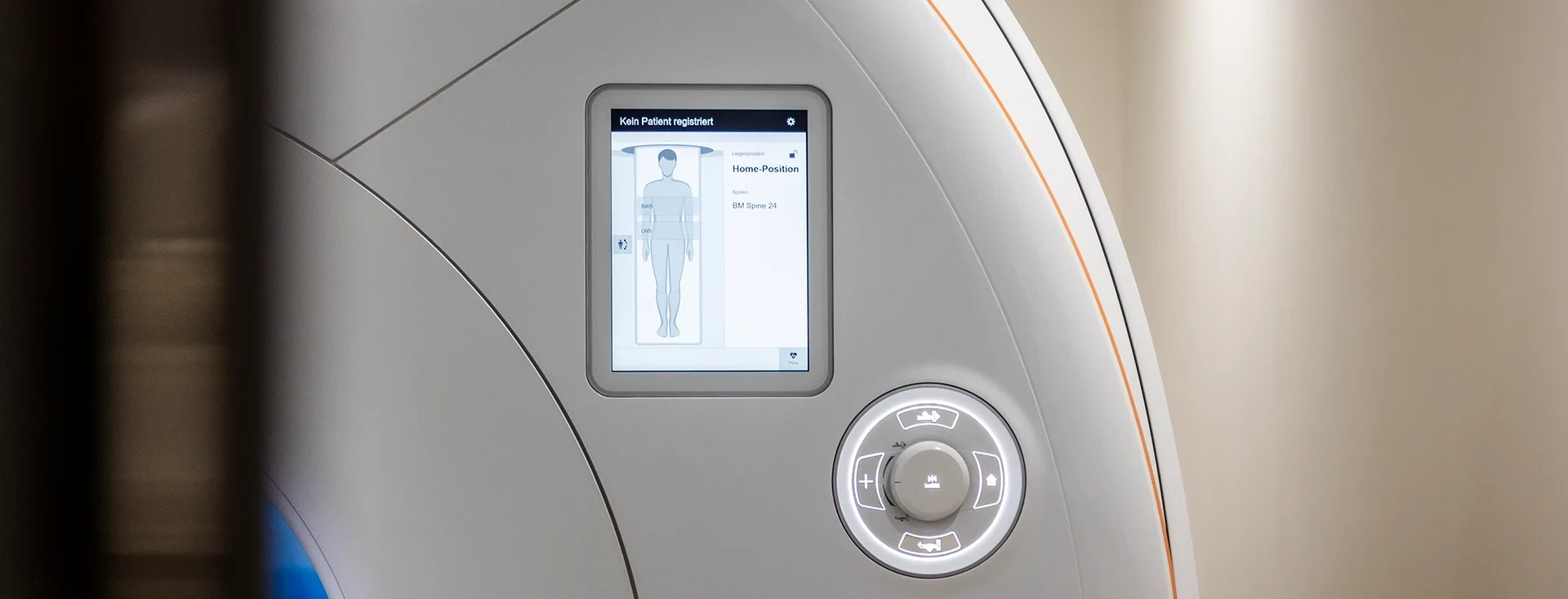
Image credit: diagnostikzentrum-wolfsburg.de
MRI looks at the body With No Ionizing Radiation
Magnetic resonance imaging (MRI) utilizes radiofrequency and magnetic fields to create detailed images. It does not employ ionizing radiation. MRI is especially useful in the visualization of organs, soft tissues joints, and various other structures. Patients suffering from joint issues, for instance, may require additional information that cannot be gathered using a standard Xray.
The Wolfsburg Diagnostic Center offers prostate whole-body MRIs as well as prostate. These applications take advantage of the ability of MRI to produce detailed images without exposing patients to ionizing radiation.
CT creates detailed Cross-Sectional Views
Computed Tomography is a new imaging technique. CT makes use of X rays, computer processing and a cross-sectional view of the body to produce precise images. CT produces a slice-by-slice image of the anatomy inside, offering doctors a second method to answer certain medical queries.
The center uses low-dose CT the latest technology that cuts radiation exposure for the purpose of obtaining medical information. CT imaging can also be useful in the treatment of. Periradicular Therapy, commonly referred to as PRT employs CT guidance to guide the injections needed to treat irritated nerve tissue. To know more, click here röntgen Wolfsburg
The familiar X-Ray Still serves an important Task
The practice of radiography as a standard isn’t out of date. Digital X-ray diagnostics are able to provide images quickly and remain useful for many examinations, particularly when doctors must evaluate bones and structures. Digital systems also perform with lower radiation doses in comparison to earlier methods.
Sometimes the most sophisticated examination doesn’t always mean the most effective one. The best way to determine the diagnosis is to choose technology that is based on the clinical questions and not based on the latest device.
Breast Imaging Technology Has its Particularized Technology
Mammography was specially designed for breast diagnostics. The Wolfsburg Diagnostic Center also provides 3D mammography (also called tomosynthesis) in addition to standard mammography. The technology generates multiple images that can then be rebuilt into a layer-view of breast tissue. It is essential to employ specific imaging as different areas of the body present different diagnostic challenges.
The old image can make a new image more useful
The current scan can provide data on the human body in the present. A comparison of a previous scan to the current one is equally useful.
If doctors have older images and results, they may be better able to assess the progress over time rather and interpret the results of the current examination as a whole. Patients are encouraged to bring their prior medical and imaging findings to appointments.
It is much better for patients to understand the technology as soon as they are able to use it.
The Wolfsburg Diagnostic Center is a combination of MRIs, CTs, digital X rays, 3D Mammography and image guided treatment with an emphasis placed on clear communication and organized treatment.
Educational videos and patient explanations are available to help patients understand the medical procedure. The center also concentrates on an organized schedule and minimal wait durations. Modern diagnostic medicine is based on modern equipment, but a scan shouldn’t feel like an unexplained technical procedure.
Understanding the purpose and what you can anticipate from an examination can help patients feel more educated. It also makes modern medical technology more understandable.